
When Le Figaro doubted the Impressionists
200 years of critical analysis
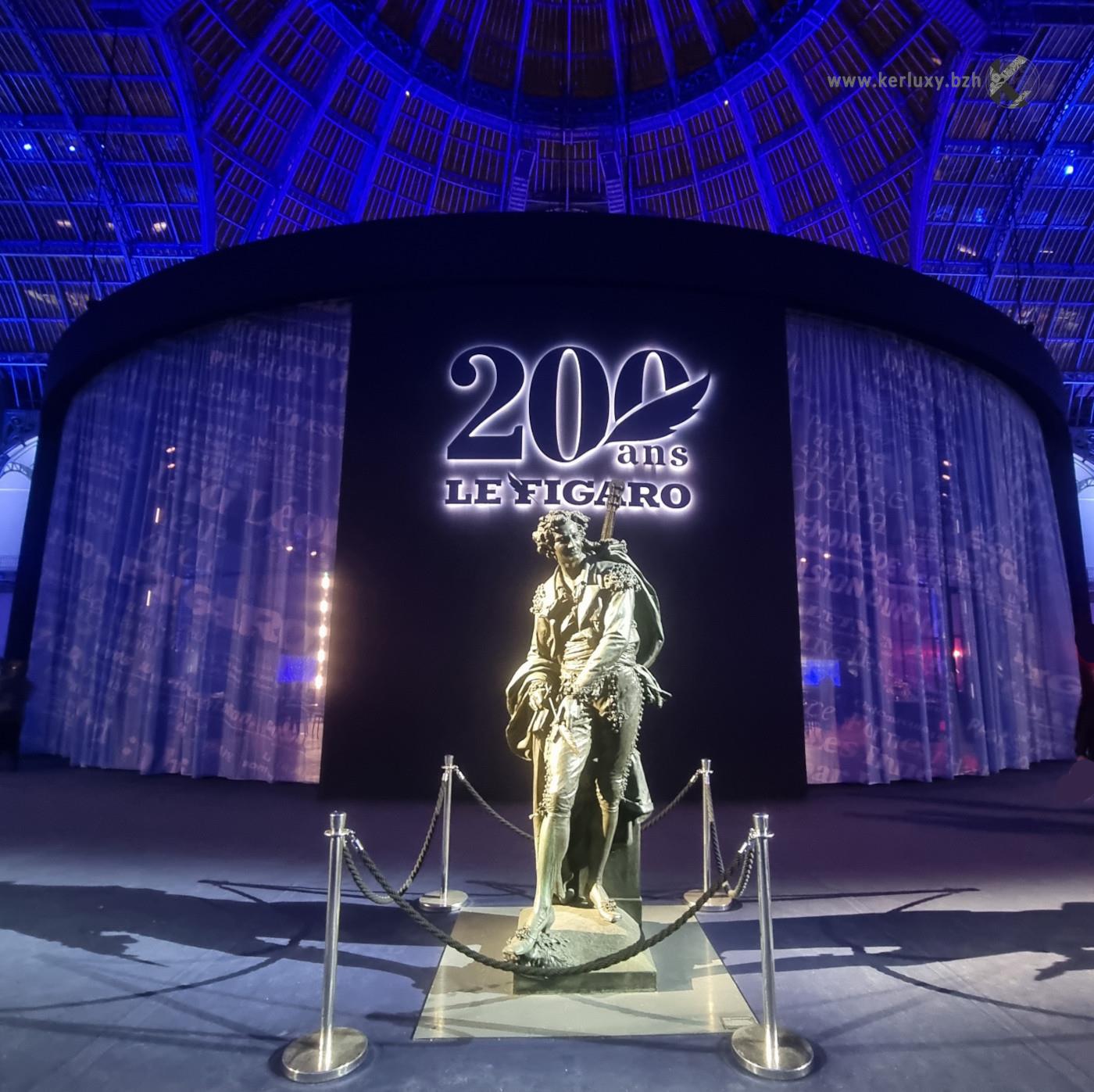
In 2026, Le Figaro celebrates its 200th anniversary. Two centuries of history, debates, opinions and perspectives on the world, politics, literature and art. The exhibition currently on display at the Grand Palais reminds us how much a newspaper, even an institutional one, is above all a product of its time.
In the 19th century, Le Figaro made no secret of its reservations about the Impressionists. Monet, Renoir, Degas and Pissarro challenged academic conventions with their visible brushstrokes, unstable light and ordinary subjects. For some of the press at the time, this style of painting seemed unfinished, almost provocative. This rejection was not isolated; it reflected a general resistance to the avant-garde.
This critical distance is nothing unusual. Art history is littered with such initial misunderstandings. What is disturbing, unsettling or worrying at a given moment often becomes, over time, an obvious part of our heritage. Criticism accompanies its century, with its tastes, limitations and certainties.
Le Figaro has changed its perspective. Impressionism has become a pillar of art history, celebrated by museums, collectors and the press itself. Through this anniversary exhibition, Le Figaro also demonstrates its ability to reinterpret its own past and recognize the evolution of taste and judgement.
For galleries today, this story resonates with particular relevance. Exhibiting sometimes means defending what is not yet consensual. It means accepting the risk of critical scrutiny, of time, of temporary incomprehension. Because art never reveals itself immediately, it imposes itself slowly.
On the occasion of Le Figaro’s 200th anniversary, this exhibition reminds us of something essential: perspectives change, art remains.
As the saying goes, “Science reassures, art disturbs”: by celebrating today what it questioned yesterday, the press reminds us of a simple truth, the avant-garde does not ask for permission and imposes itself over time.
Mari YVENAT